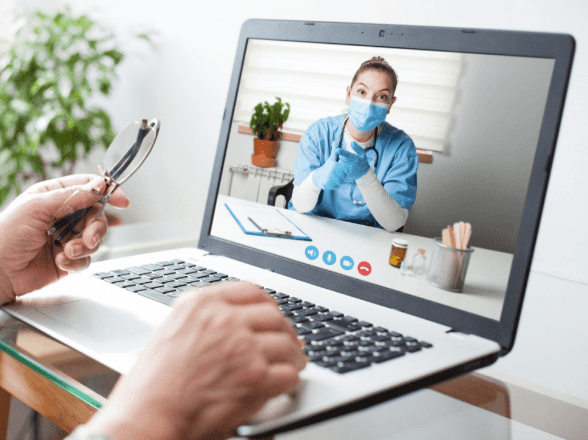
Telemedicine and remote care integrate secure video visits, asynchronous messaging, and remote monitoring to extend access and support timely interventions. The approach hinges on standardized protocols, interoperable data systems, and strong privacy safeguards to ensure compliant, patient-centered care. While reducing travel and offering flexible modalities, governance, auditing, reimbursement, and data security require transparent communication and continuous quality monitoring. Platform choices must prioritize privacy, scalability, and equitable access to sustain trust and performance across diverse settings.
How Telemedicine Works: Core Tools and Workflows
Telemedicine operates through a structured set of tools and workflows that enable remote assessment, diagnosis, and management of patient care.
Core tools include secure video consults, asynchronous messaging, and remote monitoring, supported by standardized protocols.
Data interoperability ensures seamless information exchange, while privacy safeguards protect patient information.
Processes emphasize auditability, compliance, and patient-centric care, fostering reliable, freedom-aligned virtual treatment decisions.
Benefits for Patients and Families
The shift to remote care builds on the core tools and workflows discussed previously, enabling tangible advantages for patients and families. Data indicate improved access, timely interventions, and reduced travel burdens, with measurable satisfaction gains.
Compliance frameworks safeguard privacy and informed consent, while flexible modalities support varied care needs.
Privacy concerns and tech literacy influence adoption, with clear guidance enhancing equitable, patient-centered utilization.
Challenges and Risks to Consider
Despite clear benefits, telemedicine and remote care introduce notable challenges and risks that warrant systematic consideration.
Data-driven assessment highlights data privacy vulnerabilities, including unauthorized access and secondary use concerns, requiring strict governance and auditing.
Compliance-focused frameworks address consent, documentation, and accountability.
Patient-centric mitigation emphasizes transparent communication and equitable access, while acknowledging reimbursement hurdles that shape sustainable implementation and ongoing clinical quality monitoring.
Making It Work: Choosing Platforms and Ensuring Access
What criteria guide the selection of platforms and how do these choices ensure equitable access and robust security? Evaluations prioritize privacy safeguards, platform interoperability, scalable bandwidth, and compliant data handling. Transparent cost models, broad device support, and user-friendly interfaces enable patient autonomy. Standards-aligned integrations and audit trails bolster accountability, while inclusive access strategies minimize disparities and sustain trust across diverse communities.
Frequently Asked Questions
How Is Patient Data Protected in Telemedicine Sessions?
Data privacy is maintained through encryption, secure transmission, and access controls, while patient consent governs data use. The approach emphasizes audit trails, role-based permissions, and continuous monitoring to protect sensitive information and support patient-centered freedom.
Can Telemedicine Replace In-Person Visits Entirely?
Telemedicine feasibility shows it cannot fully replace in-person visits. Data-driven analyses reveal partial in-person replacement benefits, with patient-centric outcomes and strict compliance measures guiding adoption for safe, voluntary freedom-focused care. Continuous evaluation informs balanced telemedicine feasibility strategies.
What Fees or Costs Are Involved for Virtual Care?
Fees for virtual care vary, often lower than in-person visits, though ranges exist due to coverage and platforms. One statistic shows 60% of plans include telemedicine, highlighting accessibility barriers and the impact on fees and insurance decisions.
How Does Remote Monitoring Handle Emergencies?
Remote monitoring coordinates emergency response through real-time alerts and clinician command centers, activates triage protocols, and prioritizes patient-centric data. It emphasizes documented compliance, safety metrics, and patient autonomy while preserving freedom to choose care pathways.
See also: scaleweekly
Are There Limits on Specialty Care via Telemedicine?
There are limits on specialty care via telemedicine, with limited access and specialty restrictions varying by region and payer. Data-driven, compliance-focused analyses emphasize equitable access and patient-centered outcomes within regulated frameworks that preserve freedom to seek appropriate expertise.
Conclusion
Telemedicine operates as a structured map: secure channels, standardized data, and continuous monitoring guiding each patient journey. The data-driven backbone—privacy safeguards, interoperability, and quality metrics—ensures compliance while centering patient needs. In this landscape, governance and auditing are the quiet boulders that keep the stream clear; reimbursement flows as predictable as a well-timed appointment. Like a lighthouse, transparent communication and equitable access illuminate trust, inviting patients and families to navigate care confidently and with dignity.