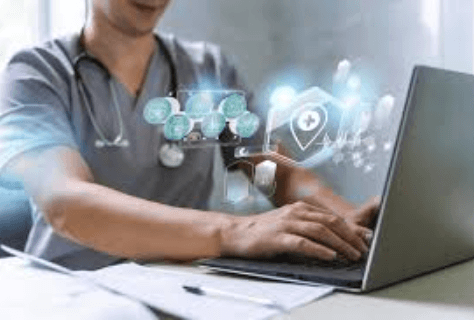
Telemedicine and remote diagnosis integrate clinical care with telecommunications to extend access, improve convenience, and support ongoing patient-centered management. Modern workflows emphasize data privacy, informed consent, interoperability, and transparent governance. Remote monitoring and structured protocols can enhance diagnostic timeliness while sustaining safety and equity through continuous quality improvement. As clinicians adopt these tools, crucial questions about trust, autonomy, and ethical practice arise, inviting careful exploration of implementation, outcomes, and scalability.
What Telemedicine Is and Why It Matters
Telemedicine refers to the use of telecommunications technology to provide clinical care remotely, including diagnosis, treatment, monitoring, and follow-up.
This modality expands access, improves convenience, and supports continuity of care while maintaining clinical standards.
Telemedicine ethics guides patient autonomy, equity, and informed consent.
Data privacy safeguards are essential to protect trust and confidentiality, underpinning safe, patient-centered, and scalable remote services.
Freedom in care delivery depends on robust governance and transparent practices.
How Remote Diagnosis Works Today
Remote diagnosis today relies on a structured workflow that integrates patient-reported information, remote data collection, and clinician interpretation.
Data privacy and patient consent underpin secure exchanges, while remote monitoring and interoperability enable continuous assessment.
Diagnostic accuracy improves through standardized data and streamlined clinician workflow, yet latency management and insurance coverage shape access.
Public trust remains essential for patient-centered, freedom-focused care.
Choosing the Right Telemedicine Solution for You
Healthcare teams increasingly tailor telemedicine choices to individual needs, building on prior assessments of how remote diagnosis operates.
Selection hinges on clinical goals, modality match, and user capabilities, emphasizing interoperability and continuity of care.
Privacy considerations and data security shape options, balancing accessibility with safeguards.
Transparent policies, nonintrusive monitoring, and clear consent underpin patient trust while preserving autonomy and freedom in care decisions.
Getting Started: Practical Steps and Best Practices
Given the growing adoption of telemedicine, teams should begin with a structured, practical plan that aligns clinical objectives with available technologies, workflows, and patient capabilities.
Effective implementation emphasizes caregiver training and remote monitoring, enabling timely data review, escalating concerns, and ongoing quality improvement.
Clear protocols support patient-centered care, minimize variability, and sustain safety, privacy, and equitable access across diverse settings.
Frequently Asked Questions
How Secure Is Patient Data in Telemedicine Platforms?
Secure data encryption and privacy compliance provide robust protections, though risks persist from misconfigurations and endpoint vulnerabilities; platforms prioritize audit trails and access controls, enabling clinicians to uphold patient-centered care while supporting freedom through informed, vigilant data stewardship.
Can Telemedicine Replace In-Person Visits Entirely?
Telemedicine cannot replace in-person visits entirely; juxtaposition shows benefits and boundaries. It encompasses telemedicine limitations, yet supports remote history taking, exam triage, and patient empowerment, though clinicians remain needed for comprehensive care and nuanced physical assessments.
What Costs Are Typically Involved for Patients?
Costs typically involve consultations, platform fees, and potential testing; overall cost structure varies by service. Reimbursement processes influence coverage; patient affordability hinges on insurance, subsidies, and pricing transparency, supporting informed, freedom-oriented care decisions.
Are There Limits to Remote Diagnoses for Emergencies?
Emergency limits to remote diagnoses exist; triage limits and ethical constraints constrain rapid decision-making. Clinically, remote triage may delay critical interventions, demanding in-person evaluation when symptoms suggest high-risk emergencies; autonomy and safety guide appropriate escalation.
See also: Telemedicine and Remote Care
How Do You Verify a Clinician’s Credentials Remotely?
Verification of clinician credentials remotely relies on verified licensure databases, board certifications, and secure identity checks; however, remote credentialing challenges include data lag, jurisdictional variability, and verification delays, necessitating standardized, auditable processes for patient-centered care.
Conclusion
Telemedicine and remote diagnosis offer accessible, patient-centered care that preserves clinical standards and safety. When implemented with clear workflows, privacy protections, informed consent, and ongoing quality improvement, this approach enhances timely diagnoses and durable patient trust. Interoperability and remote monitoring bolster accuracy while sustaining equity across populations. As the saying goes, “practice makes perfect”—but in telemedicine, continuous evaluation and refinement ensure safer, more reliable care for all patients.